
Employment Contracts
Can I Break an Arbitration Clause for My Workplace Harassment Claim?
January 31, 2026

Brought to you by Filippatos Employment Law, Litigation & ADR
Can I Break an Arbitration Clause for My Workplace Harassment Claim?
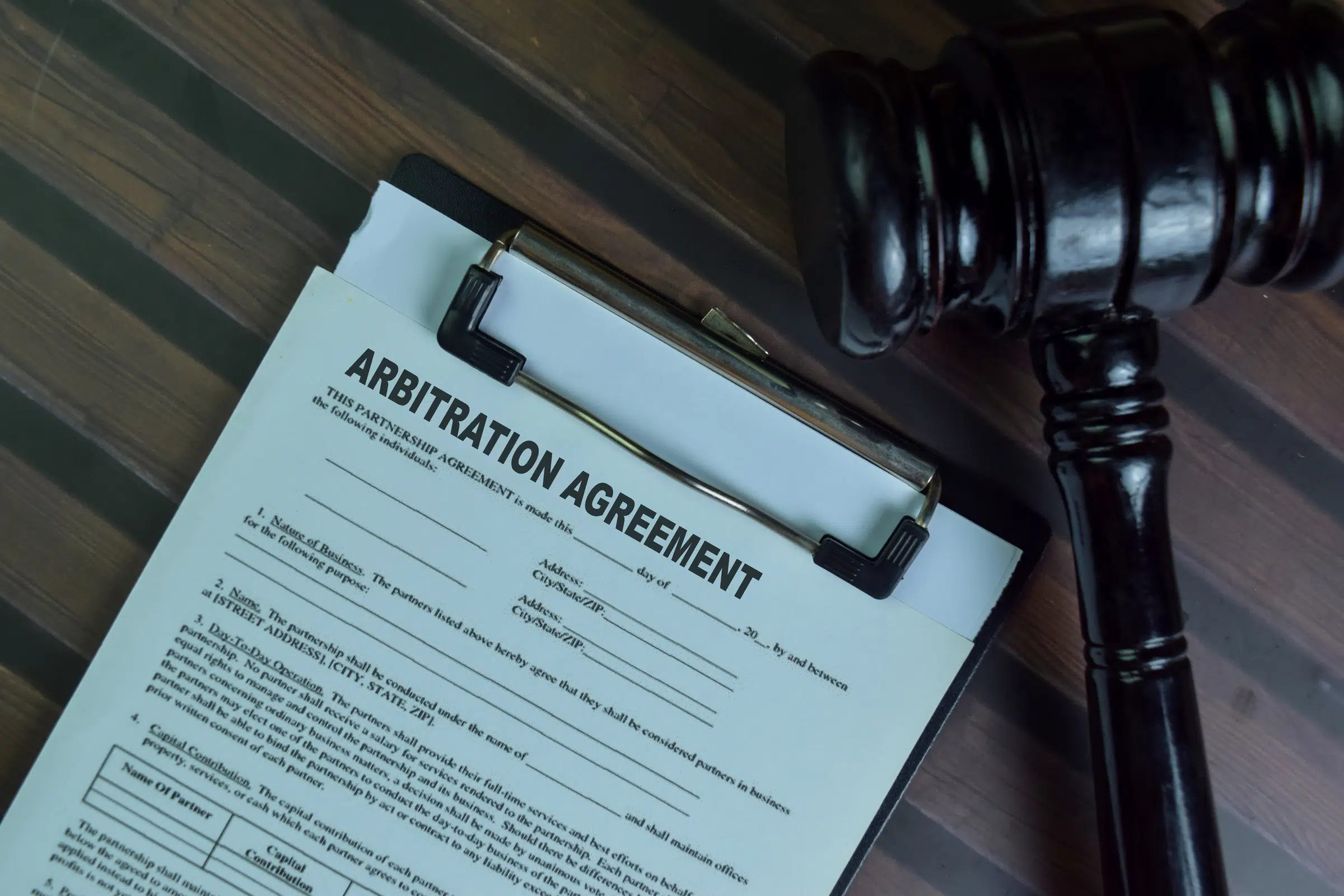
If you have experienced workplace sexual harassment or discrimination, you may feel trapped by an arbitration agreement you signed when you were hired. Many employees assume that signing an arbitration clause means they’ve permanently waived their right to sue, because of the understanding that disputes then are not settled in court. However, the reality is more nuanced. New York arbitration lawyers can often find pathways for you around these agreements, and in some cases, federal law specifically exempts certain claims of harassment from forced arbitration.
Understanding Arbitration Agreements
Arbitration clauses require employees to resolve disputes through private arbitration matters rather than in court. A provision is usually included in the clause which requires the parties to waive their rights to a jury trial. While these agreements are generally enforceable, they’re not absolute. Those who are in favor of an arbitration clause argue that it is a more speedy, informal way to resolve disputes, while those who argue against them say there are limited appeal options, and allow for corporations to effectively silence plaintiffs through private justice. If you’re facing sexual harassment in the workplace or dealing with a hostile workplace, several legal strategies may allow you to bypass arbitration and pursue your case in court.
Legal Pathways Around Arbitration Clause
The Ending Forced Arbitration of Sexual Assault and Sexual Harassment Act, 2021
In March 2022, President Biden signed into law the Ending Forced Arbitration of Sexual Assault and Sexual Harassment Act of 2021. This Act amends the Federal Arbitration Act, giving individuals the ability to bring claims of sexual harassment to courts despite agreeing to arbitrate such disputes before the claims arose. In addition to this, those individuals or a named representative bringing sexual assault or sexual harassment claims may choose to proceed via a class or collective action even if they had waived the right to proceed collectively before the claims arose. The Act was effective immediately and has applied to both arbitration and class-action waiver agreements entered into by the employees before its due date.
Opt-Out Provisions
Some arbitration agreements include opt-out provisions that allow employees to decline arbitration within a specific timeframe—typically between 30 to 90 days after signing. If you recently started a new job, review your employment agreement carefully. Being proactive and exercising this option can preserve your right to sue before a harassment incident even occurs.
Specific Exemptions in Your Agreement
Not all arbitration clauses are created equal. Some agreements contain specific exemptions for certain types of claims, including workplace discrimination or harassment. An experienced attorney can review your contract to identify whether your particular claim falls outside the scope of the arbitration requirement.
Waiver by Conduct
Even when an arbitration clause exists, employers can sometimes waive their right to enforce it through their actions. If your employer participates in court proceedings, delays in demanding arbitration, or takes other inconsistent actions, they may lose the ability to force you into arbitration. This is known as waiver by conduct, and it’s a reactive strategy that becomes available based on how your employer responds to your claim.
Invalidity of the Arbitration Agreement
Arbitration agreements must meet certain legal standards to be enforceable. Your lawyer may challenge the agreement’s invalidity based on several grounds: if it was signed under duress, if the terms are unconscionably one-sided, if it lacks mutual consideration, or if it violates public policy. Courts have shown increasing willingness to scrutinize arbitration agreements in employment contexts, particularly when they prevent employees from pursuing civil rights claims.
Take Action With Experienced Legal Guidance
Challenging forced arbitration requires a thorough understanding of both employment law and arbitration rules. If you’re experiencing workplace harassment or discrimination, don’t assume an arbitration clause eliminates your legal options! There is always a way to make sure that your rights are prioritized, front and center. Contact qualified New York arbitration lawyers who can evaluate your specific situation, identify potential exceptions or challenges to the agreement, and help you pursue the justice you deserve.
Your rights matter, and the law provides more protections than you might realize. The first step is consulting with an attorney who can review your case and explain your options.
Call a New York Employment Law Attorney Now
We at Filippatos PLLC stand in proud solidarity with any and all workers facing discrimination in the workplace, including the LGBTQIA+ community and diverse communities. We believe that all people deserve the right to exist freely, no matter who they love, how they express their gender, practice their religion, or celebrate their heritage. If you are experiencing discrimination at work, please give us a call at 888-9-JOBLAW for a free consultation. We will do our utmost to help secure you the justice you deserve.