
NYC Workplace Discrimination, Religious Discrimination
Consistencies in Religious Discrimination
November 15, 2025
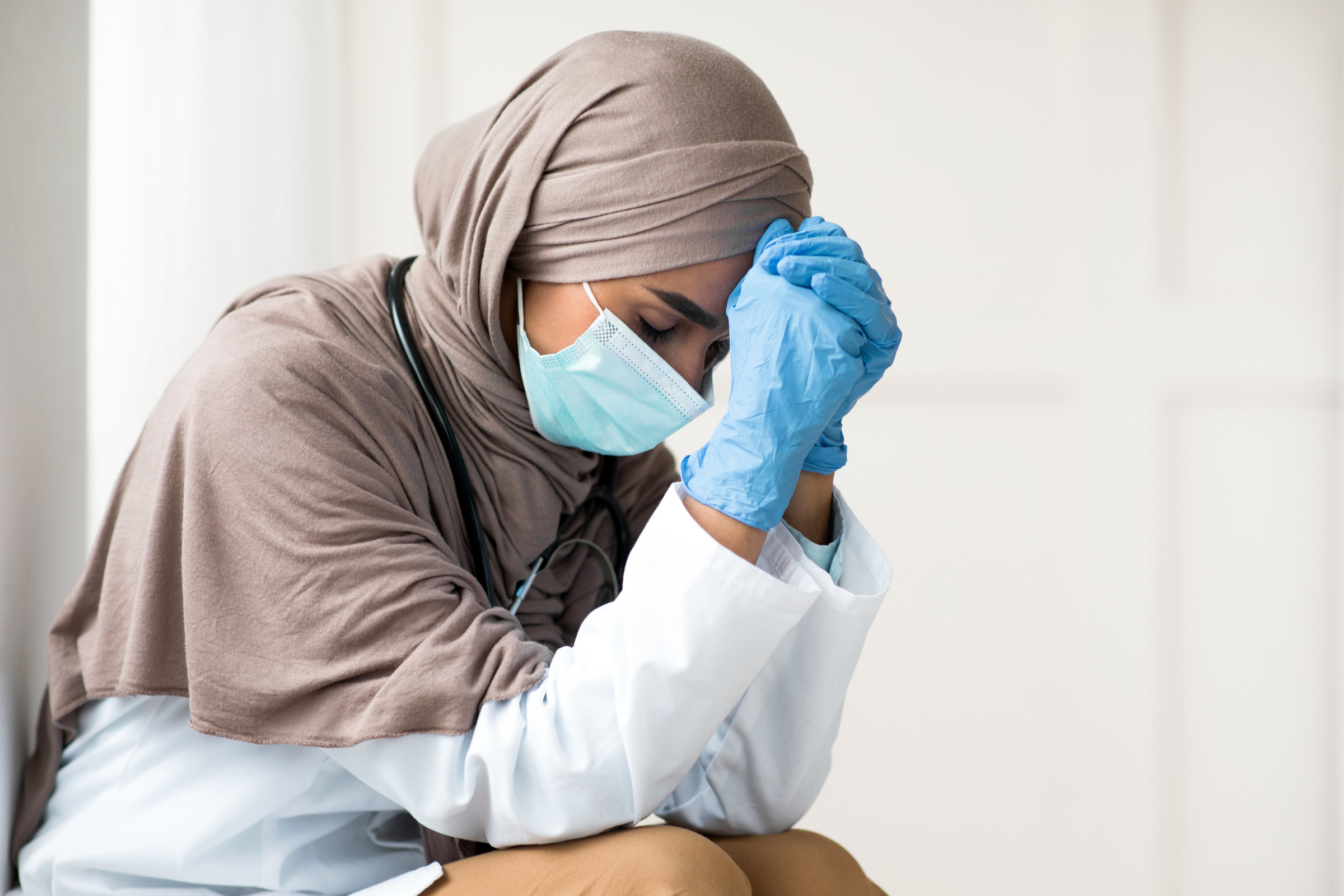

Brought to you by Filippatos Employment Law, Litigation & ADR
Defining Religious Discrimination in the Workplace
Religious discrimination is a complex issue within a standard workplace, affecting individuals and communities worldwide. Understanding religious discrimination requires navigating three distinct bodies of law: federal, state, and city. For employees of New York, federal law provides a baseline of protection, while state and city laws offer significantly broader rights regarding workplace discrimination.
Religious discrimination can appear in the workplace in ways subtle and overt, singular or consistent. Common examples of this, which pertain to other forms of discrimination as well, look like being passed over promotions for a position, facing harassment from co-workers, or being fired due to one’s faith. Many employees face the possibility of also being denied reasonable accommodations for their religious beliefs, such as certain holidays or particular attire aligned with the religion.
The Anatomy of “Persistent Religious Discrimination”
Persistent religious discrimination often manifests as a hostile work environment. This isn’t necessarily a single firing, but a pattern of unwelcome conduct that makes doing a job intolerable. Here, the difference between federal and local law is critical.
The Federal Standard: Title VII
Here’s what you need to know at the federal level: Title VII of the Civil Rights Act of 1964 makes it straight-up illegal for employers to treat you differently because of your religious beliefs. We’re talking about everything from hiring and firing to your paycheck and working conditions.
The law covers “sincerely held religious, ethical or moral beliefs,” and that includes beliefs that might be unconventional or aren’t tied to an organized religion. And here’s something important: it protects non-believers too. So if you’re atheist, your boss can’t pressure you into attending religious services.
The New York Standard: A Higher Ceiling
If you’re working in New York, federal law is just the baseline—you actually have way more protection. The New York State Human Rights Law (NYSHRL) and New York City Human Rights Law (NYCHRL) are some of the strongest in the country.
Here’s where it gets really interesting: the NYCHRL bans discrimination based on “actual or perceived” religion. Translation? If your employer harasses a Sikh coworker because they think they’re Muslim, that employer is on the hook for discrimination—regardless of what your coworker’s actual faith is.
Federal vs. New York Harassment Standards
Federal “Severe or Pervasive”: Under federal law, harassment only counts as illegal if it’s “severe or pervasive” enough to create a hostile work environment. Courts often throw out cases involving “petty slights” or “isolated incidents” under this standard.
NYCHRL “Treated Less Well”: New York City says “nope” to that “severe or pervasive” requirement. Under the NYCHRL, the question is simply: were you “treated less well” because of your religion? The employer has to prove it was just a “petty slight.”
Case Study: An Example of Persistent Discrimination
To understand what religious discrimination in the workplace looks like in practice, consider this scenario based on common legal elements:
- The Conflict: Alex, a Muslim employee, requests a short break for daily prayers.
- The Resistance: His supervisor grants it but delivers the comment, “We pay you to work, not to pray.”
- The Escalation: Over the next month, a coworker makes jokes about Alex “talking to the man upstairs” and asks offensive questions about terrorism and where he’s originally from.
- The Persistence: The supervisor begins scheduling mandatory meetings exactly during Alex’s prayer times, forcing him to choose between his faith and his job.
- The Failure to Act: Alex reports this to HR, but they reply that “everyone is entitled to their opinion” and take no action.
This is a clear example of persistent religious discrimination. The combination of the supervisor’s obstruction, the coworker’s harassment, the persistent agitators, and the company’s failure to intervene creates a hostile environment where Alex is being attacked for faith-based reasons. Under New York City law, this pattern clearly constitutes being treated as less well.
The Right to Religious Accommodations
Persistent religious discrimination also occurs when an employer repeatedly denies a request for a religious accommodation. Employers have an affirmative duty to provide reasonable accommodations for religious beliefs—such as schedule changes for the Sabbath or exceptions to dress codes—unless doing so causes an “undue hardship.”
The Death of the “De Minimis” Excuse
For decades, employers could deny accommodations by claiming they caused a minimal cost (de minimis). In 2023, the Supreme Court changed this in Groff v. DeJoy. Now, under both federal and New York law, an employer must show that the accommodation would cause a “substantial burden” or “significant expense” in the overall context of the business.
This means an employer cannot simply deny a prayer break or a beard exception because it is inconvenient. They must prove it substantially burdens their operations.
Critical Deadlines (Statute of Limitations)
Victims of discrimination have two primary paths: filing with an administrative agency or filing a lawsuit.
- Administrative Agencies: You can file a charge with the EEOC (Federal), the NYS Division of Human Rights (State), or the NYC Commission on Human Rights (City).
- Filing in Court: Uniquely, New York law allows employees to bypass agencies and sue directly in court.
Failing to act within specific timeframes can bar your claim forever.
The harassment standard under federal law requires conduct to be “severe or pervasive,” while New York State law uses the standard of “inferior terms & conditions” and New York City law simply requires that an employee was “treated less well.” Under federal law, employers must accommodate religious practices unless it causes a “substantial burden,” while both New York State and New York City laws require accommodation unless it results in “significant expense.” The deadline to file a complaint with an agency is 300 days under federal law, three years under New York State law (as of February 2024), and one year under New York City law. While you cannot sue directly under federal law and must first file with the EEOC, both New York State and New York City laws allow you to sue directly.
How New York Religious Discrimination Lawyers Help
If you are facing persistent religious discrimination, the complexity of these laws makes professional guidance essential. The difference between a 300-day deadline and a 3-year deadline, or between the “severe or pervasive” standard and the “treated less well” standard, can determine the success of your case.
New York religious discrimination lawyers can help you preserve evidence, document the harassment, and decide whether to file with an agency or proceed directly to court to protect your rights.
Call a New York Employment Law Attorney Now
We at Filippatos PLLC stand in proud solidarity with any and all workers facing discrimination in the workplace. We believe that all people deserve the right to exist freely, no matter who they love, how they express their gender, practice their religion, or celebrate their heritage. If you are experiencing discrimination at work, please give us a call at 888-9-JOBLAW for a free consultation. We will do our utmost to help secure you the justice you deserve.